AGP Executive Report
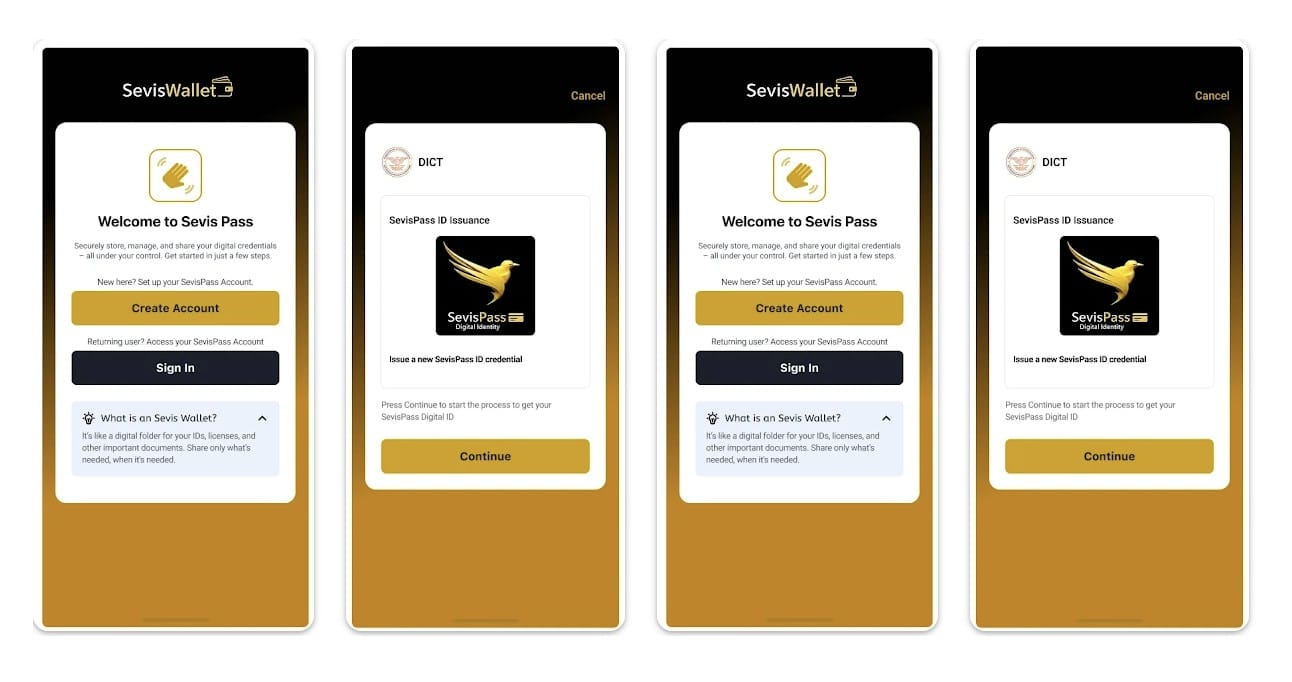
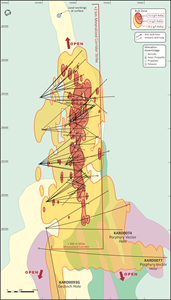
Last update: 7 hours agoAviation Regulation: PNG’s ICCC recommends independent economic regulation for airport operator NAC and air navigation provider NiuSky Pacific to improve pricing transparency, service quality and investment coordination. Airport Upgrades: NAC has started a nine-month runway rehabilitation at Mt Hagen’s Kagamuga Airport, targeting Airbus A220 and Boeing 737 access by end-2026. Digital Identity & Cybercrime: PNG is rolling out Sevis PNG Digital ID to help identify fake social media accounts and tackle online abuse, alongside new legislation for verifiable credentials and trusted digital transactions. Mining & Processing: Women-led Bayawaha Limestone showcased high-purity calcium carbonate and hydrated lime at the EU-PNG Business Forum, aiming to move into downstream products. Exploration & Jobs: K92 Mining reported major expansion drilling at Arakompa and said it employs about 3,100 people, with PNG nationals making up ~91% of its workforce. Energy Investment Pipeline: PM Marape says Papua LNG and other petroleum projects will drive a decade-plus construction and production cycle. Conservation & Fisheries: PNG plans the Western Manus Marine Protected Area, a large no-take sanctuary to protect biodiversity and support sustainable fisheries. Skills & Workforce: Remington Technology and Don Bosco Technical School signed a 2026 MOU for workplace training and staff upskilling, while PAS PNG continues hospitality skills development.
Note: AI summary from news headlines; neutral sources weighted more to help reduce bias in the result. Feedback is welcome. Please let us know if you have any comments or suggestions about the AGP Executive Report.


 Perspectify News